
 0
0
 0
0
You know the drill. You’re juggling groceries, your phone, and your keys, trying to tap into your building or pay for a coffee. It’s a clumsy dance we’ve all performed. But what if your identity, your payment method, your digital key—all of it—was simply… on your finger?
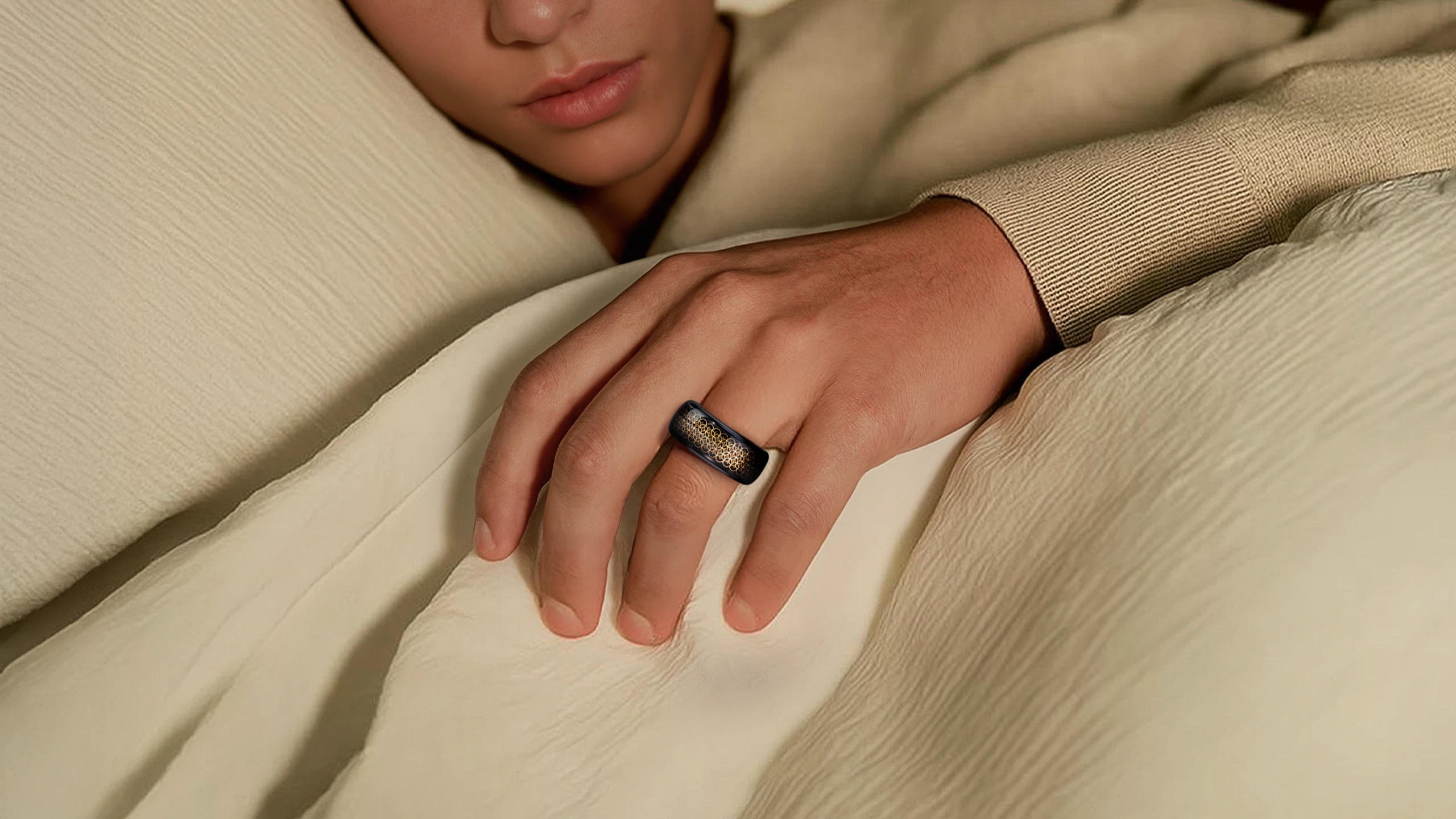
That’s the promise quietly unfolding right now. The rise of smart rings and NFC-enabled jewelry isn’t just about fitness tracking anymore. It’s a shift toward seamless, wearable digital identity and contactless control. We’re moving from devices we hold to devices we wear, integrating technology into our personal style and, honestly, into our very bodies.
From Fitness Band to Digital Handshake
Let’s rewind a bit. Early smart rings were, well, pretty single-minded. They counted steps and monitored sleep. Useful, but not revolutionary. The game-changer has been the integration of Near Field Communication (NFC) and other secure wireless tech. NFC is that magic that lets you tap to pay. Embedding it into a ring or a bracelet transforms it from a sensor into a secure transmitter of your digital self.
Think of it this way: your smartphone is your digital wallet’s filing cabinet. A smart ring? It’s the specific key you pull out to unlock a single drawer—effortlessly, without fumbling. This shift from active use (unlocking a phone, opening an app) to passive interaction (a simple gesture) is profound. It makes technology recede into the background, which is where the best tech often lives.
The Core Appeal: Convenience Meets Identity
So why are people gravitating toward these tiny wearables for digital identity management? The benefits hit on some very modern pain points.
- Always-On Accessibility: Your phone can be dead, buried in a bag, or left behind. A ring or necklace is just… there. It’s the most frictionless form factor for contactless actions.
- Discreet Security: These devices often act as a physical two-factor authentication token. Tapping your ring to log into your laptop or access a secure door is both more secure than a password and far smoother than digging for a keycard.
- Personalized Style: This is huge. Unlike a chunky smartwatch, NFC jewelry comes in elegant rings, sleek bracelets, even pendants. Tech becomes a fashion statement, not a gadget. You’re not wearing a computer; you’re wearing a piece of jewelry that happens to hold your digital keys.
- Simplified Daily Routines: Imagine tapping your ring to board a bus, start your car, check in at the gym, and pay for lunch—all without ever reaching for your wallet or phone. It consolidates the clutter of modern life into one, always-available point of control.
Smart Rings vs. NFC Jewelry: A Subtle Distinction
While the goal is similar, there’s a nuance here. “Smart rings” are typically packed with sensors (heart rate, temperature, accelerometers) and have batteries, offering health data and NFC functions. Brands like Oura and RingConn lead here.
NFC jewelry, on the other hand, can be more minimalist. Many are passive—no battery needed, powered by the tap itself. They’re essentially highly secure, programmable chips embedded into titanium bands or gold pendants. Companies like McLear (NFC Ring) and Jakcom create these. They do less sensing but excel at one thing: being your key.
| Feature | Smart Ring (e.g., Oura) | Passive NFC Jewelry (e.g., McLear Ring) |
| Primary Focus | Health & Wellness + NFC | Digital Identity & Access |
| Power Source | Rechargeable Battery | Passive (Powered by Reader) |
| Best For | Health enthusiasts who also want tap functionality | Anyone seeking a durable, zero-maintenance digital key |
| Interaction | Syncs data to an app, taps for payments/access | Taps only for payments, access, data transfer |
The Privacy Question—And It’s a Big One
Handing over your digital identity to a device you could, in theory, lose is scary. Rightfully so. Here’s the deal, though: these devices are designed with this in mind. They use the same secure element (SE) chips found in credit cards and modern smartphones. Your biometric or payment data isn’t stored on the ring’s surface; it’s in that locked, tamper-proof SE chip.
Most also require a secondary authentication (like a phone PIN or biometrics on your paired device) to authorize new payments. Lose it? You can deactivate it via the companion app just like you would a credit card. The risk isn’t zero, but it’s managed—and arguably, losing a ring is more noticeable than a skimmed card number from a database hack.
Where This Is All Heading: The Invisible Interface
The trajectory is clear. We’re moving towards what some call the “invisible interface.” The future of contactless control isn’t about a specific device; it’s about ambient, contextual interaction. Your car knows to unlock and set your seat position because your ring approached. Your office lights and thermostat adjust as you walk in. You can, honestly, share a contact or Wi-Fi password with a handshake (by tapping rings).
This tech also opens doors—literally and figuratively—for better accessibility. For individuals with mobility or dexterity challenges, a subtle gesture with a wearable can be life-changing. It lowers the physical barrier to interacting with the digital world.
The challenge, as with all interconnected tech, is fragmentation. Will one ring work with your car, your home lock, your office, and your local transit? Universal standards are still catching up. That’s the next hurdle to clear for true mass adoption.
A Final Thought: Technology as Personal Artifact
In the end, the rise of smart rings and NFC jewelry signals something deeper than convenience. It’s about making our digital identities tangible, personal, and even intimate. A phone is a slab we put down. A watch is a screen on our wrist. But a ring? A necklace? These are personal artifacts we’ve worn for millennia as symbols of commitment, belonging, and identity.
Now, they’re beginning to hold our digital commitments, our access to communities, and our virtual identity. The fusion isn’t just technological; it’s almost… cultural. We’re not just carrying our tech anymore. We’re wearing it, and in doing so, we’re weaving it more seamlessly into the human experience.


